

Tom
I am a FH squatter
- Joined
- Dec 22, 2003
- Messages
- 17,694
A few people might know I'm interested in local history and the like. A year or so ago, I learnt of the existence of a twin-beam pump, still extant, in my hometown of Radcliffe (Manchester). The pump basically pumps water up from a goit, into a reservoir for a mill. It is at least 150 years old, and there are apparently less than a handfull left in the country. It's very rare.
I only had photographs to go on as it's on private land, but I was interested enough last year to apply for listed building status with English Heritage. I've also emailed and pestered as many engineering history type people as I can. Here are a couple of photographs:
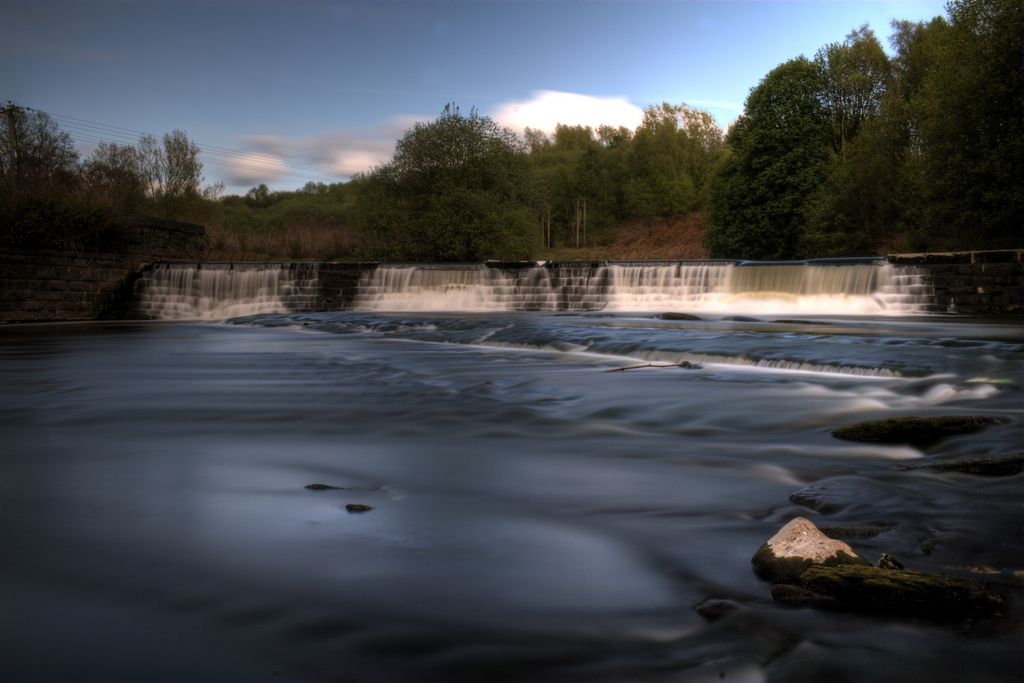
This is the weir that supplies the goit.
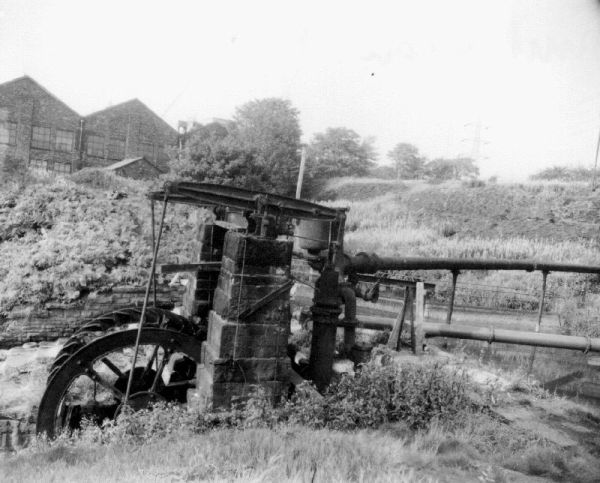
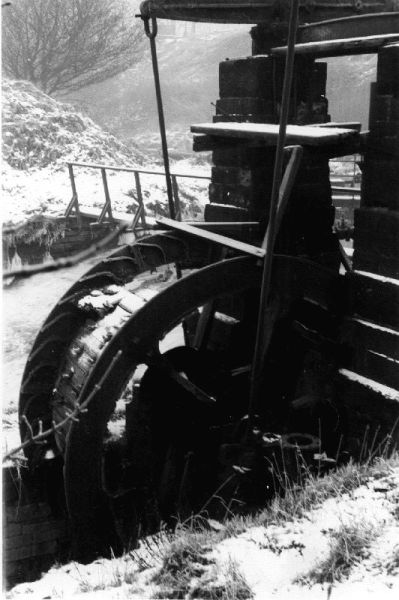
Undated photograph, 20th century, probably latter half. Note the water wheel - water was allowed across the wheel, from the goit. The wheel turns, the beams at the top move up and down, and pump water up through the connecting pipes into the reservoirs behind the bank to the right.
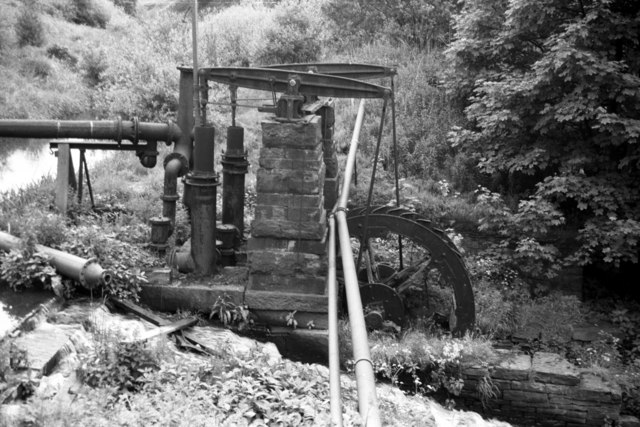
1985. Looks quite small, doesn't it?
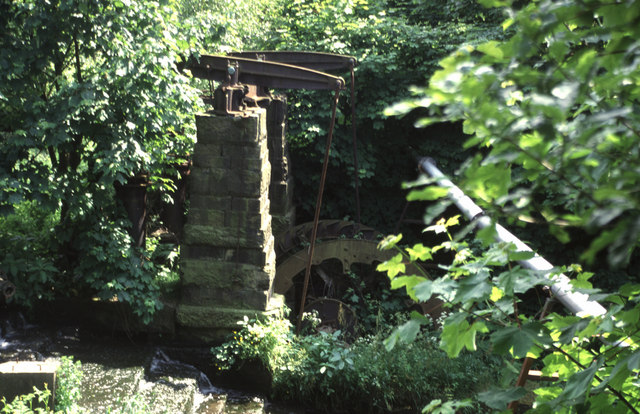
1999
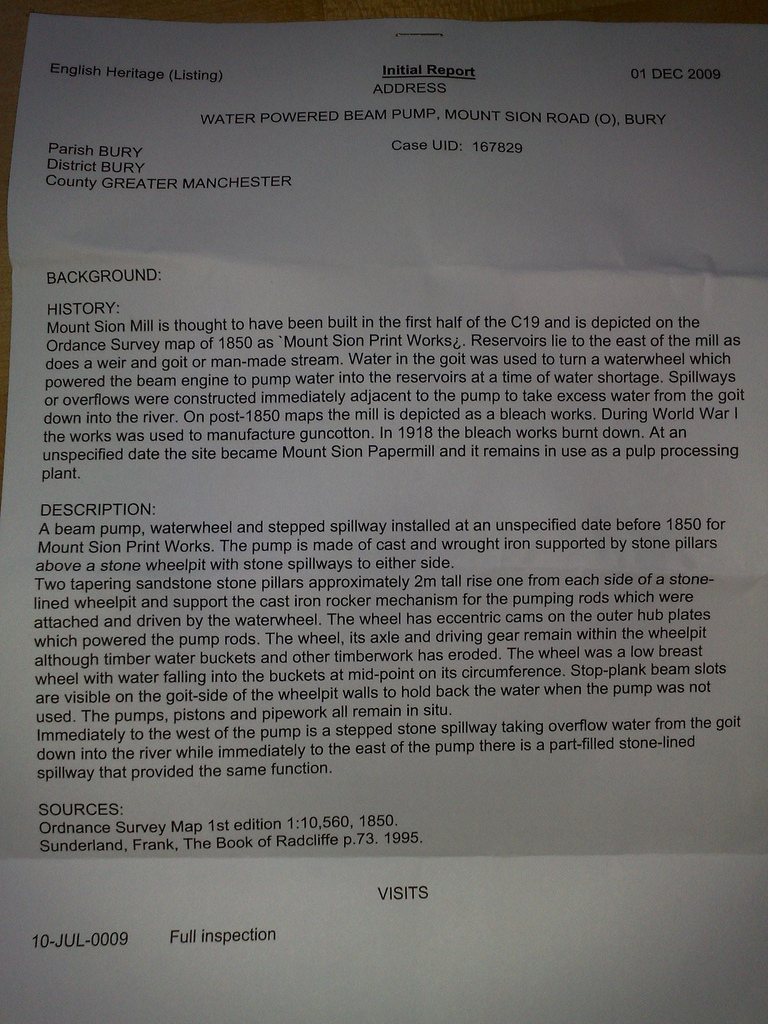
Brief description from English Heritage
****
Well after a few months, I finally got down there today, with a chap from the canal society I'm a member of. Its difficult to describe just how enormous this thing is - the photographs above do not do it justice.
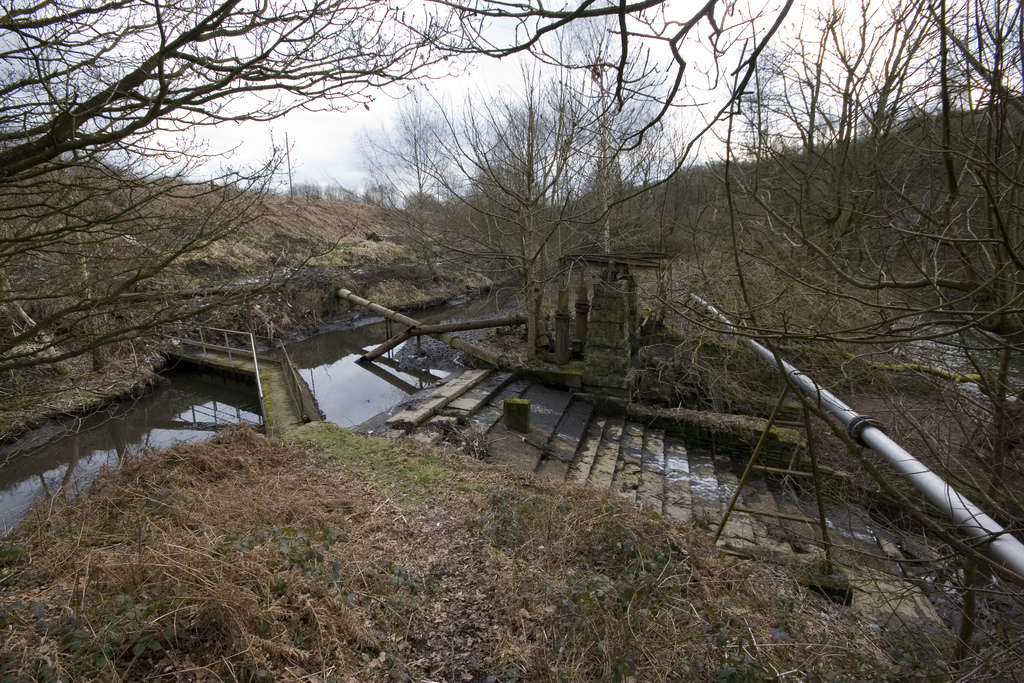
The footbridge is a pedestrian footbridge.
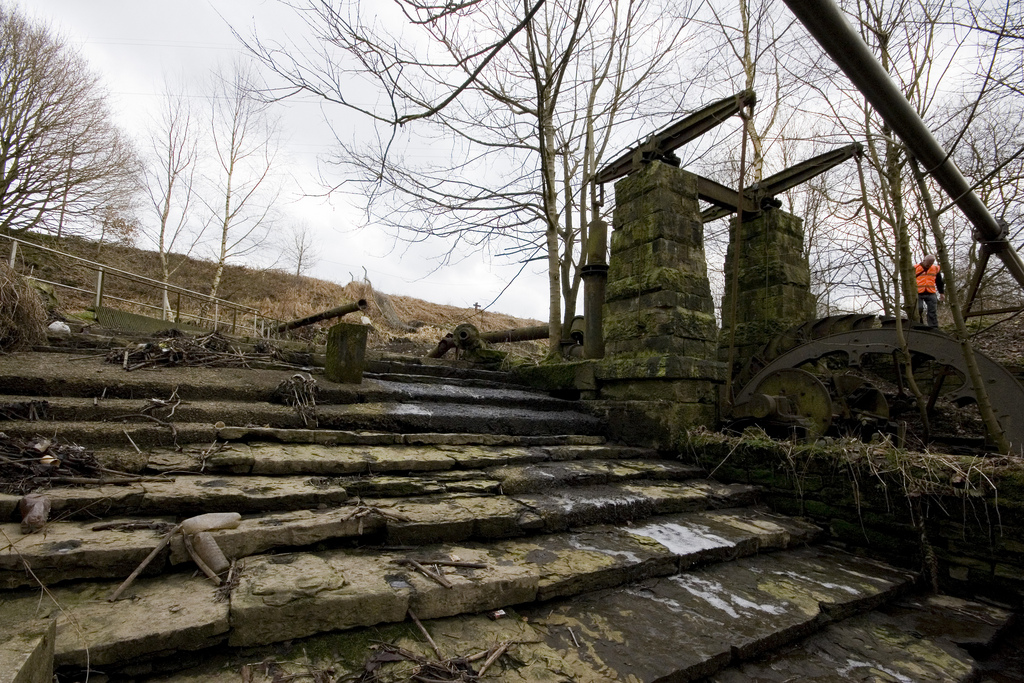
View from the bottom of the spillway - see the six foot bloke on the right for a sense of scale - he is stood right next to it.
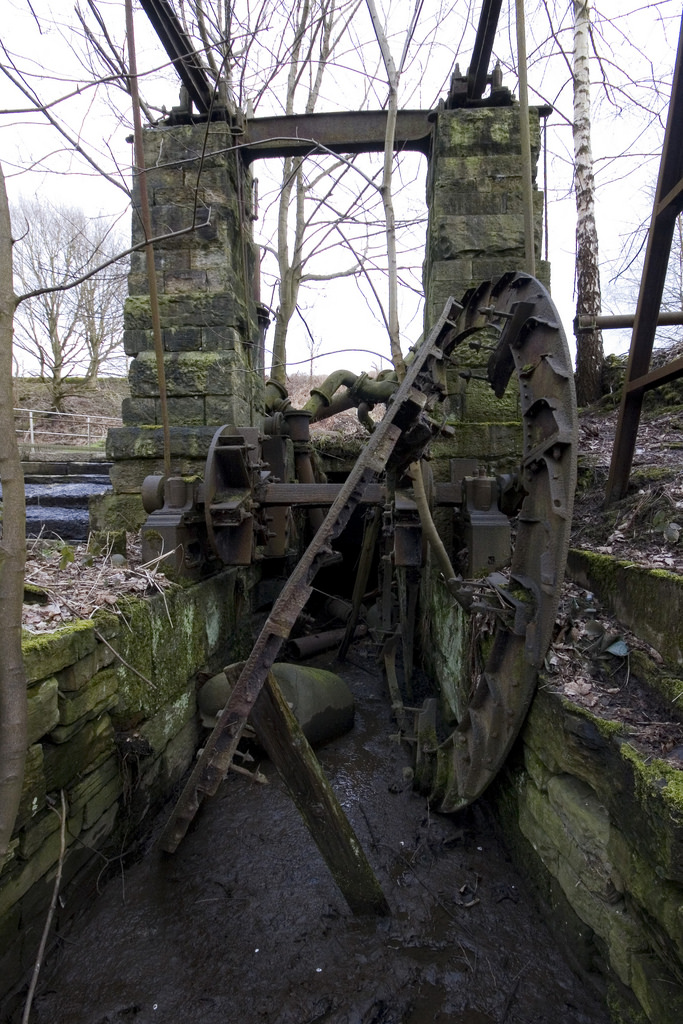
From the bottom of the waterwheel pit. The buckets are long gone. The spokes of each wheel were wooden, you can make out the stubby ends on the left axle. This is the wheel which powered the two pumps above, and itself was powered from the goit.
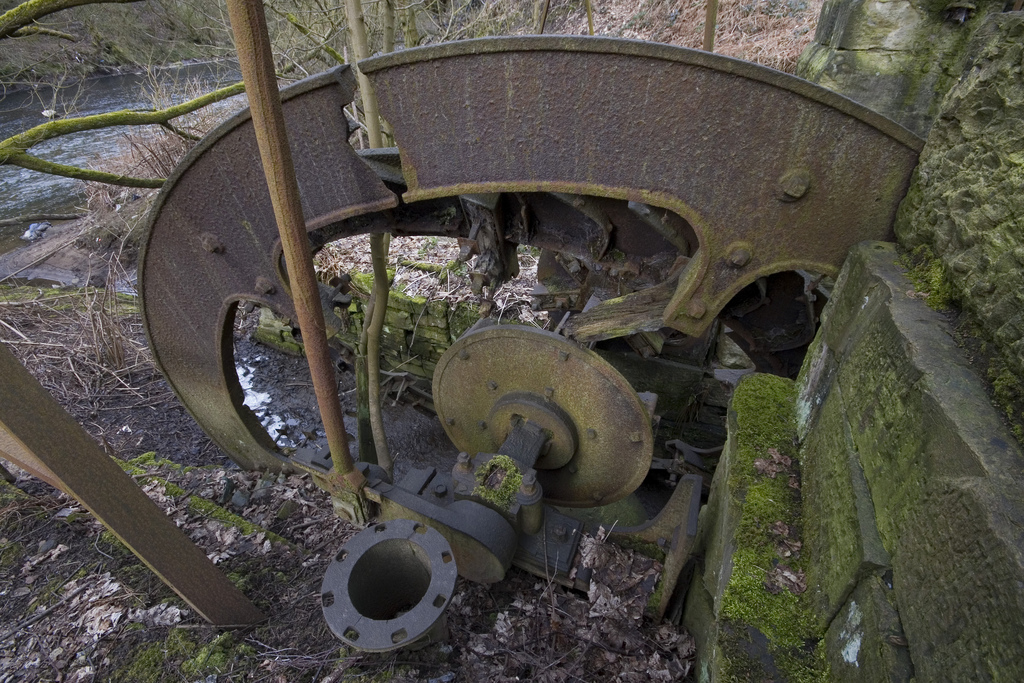
Not too shabby, but unfortunately that big crack will present a problem. The wheel is probably about 10 feet in diameter, and will need machinery to lift.
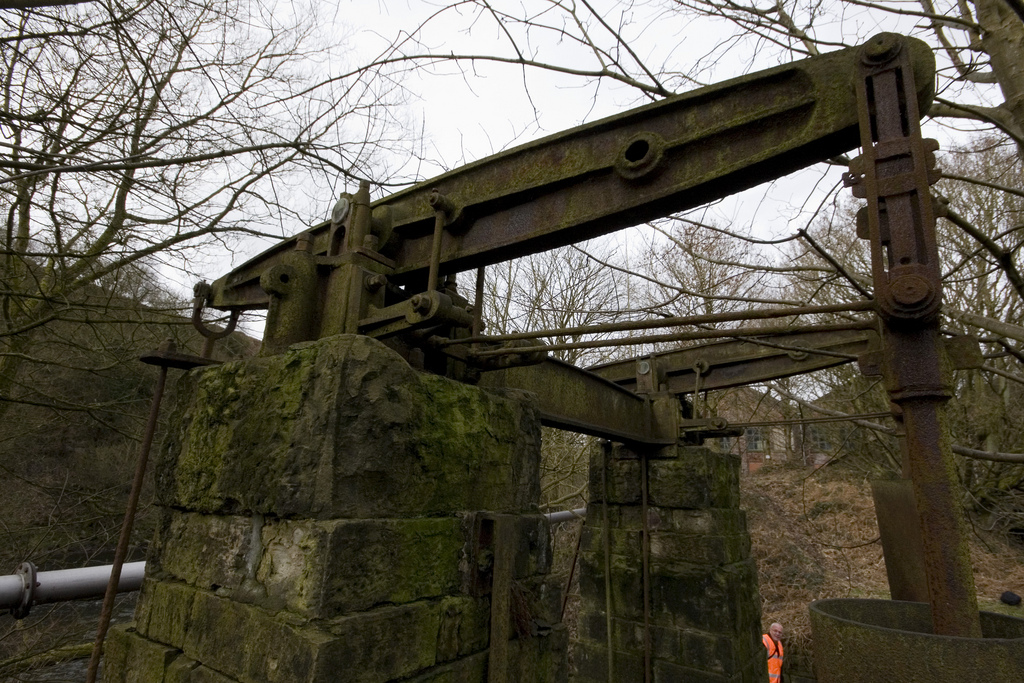
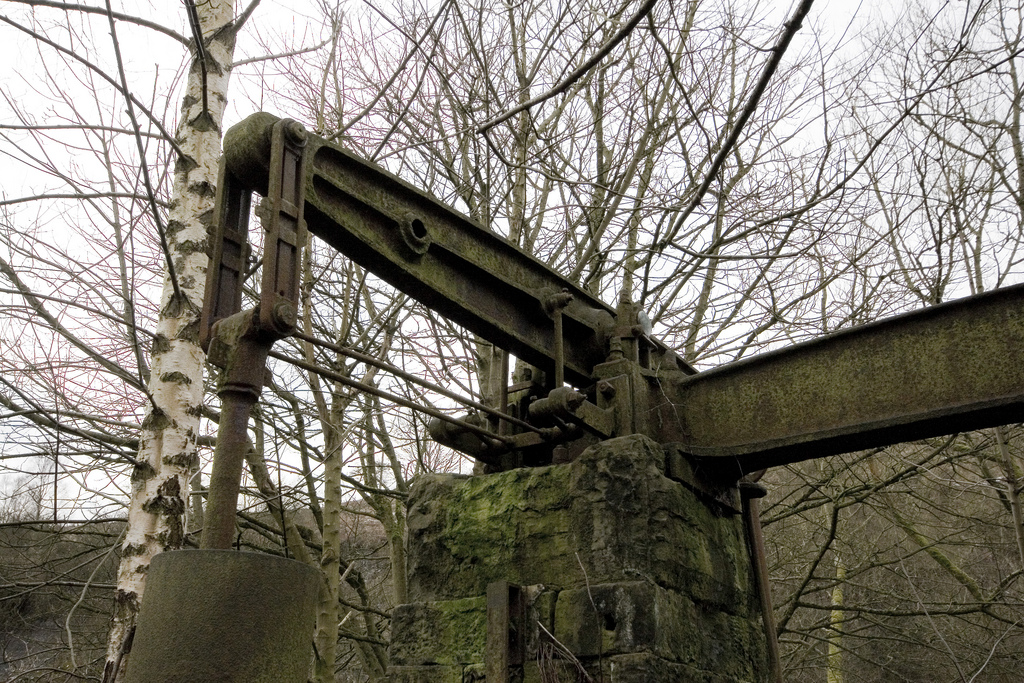
The left beam.
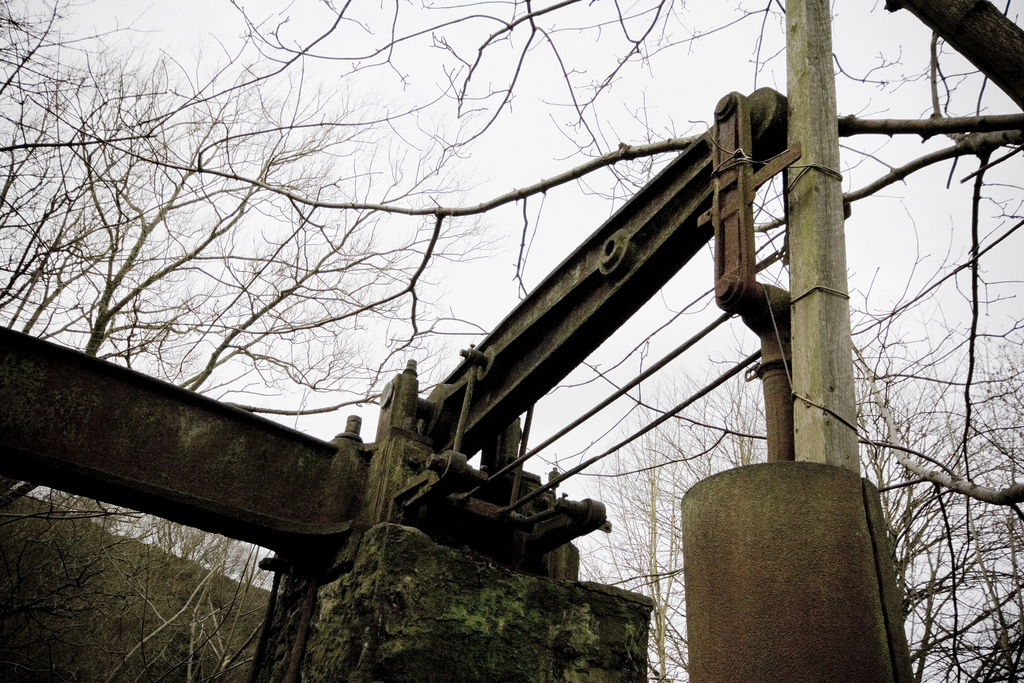
The right beam. I'm not sure why the wood is in there.
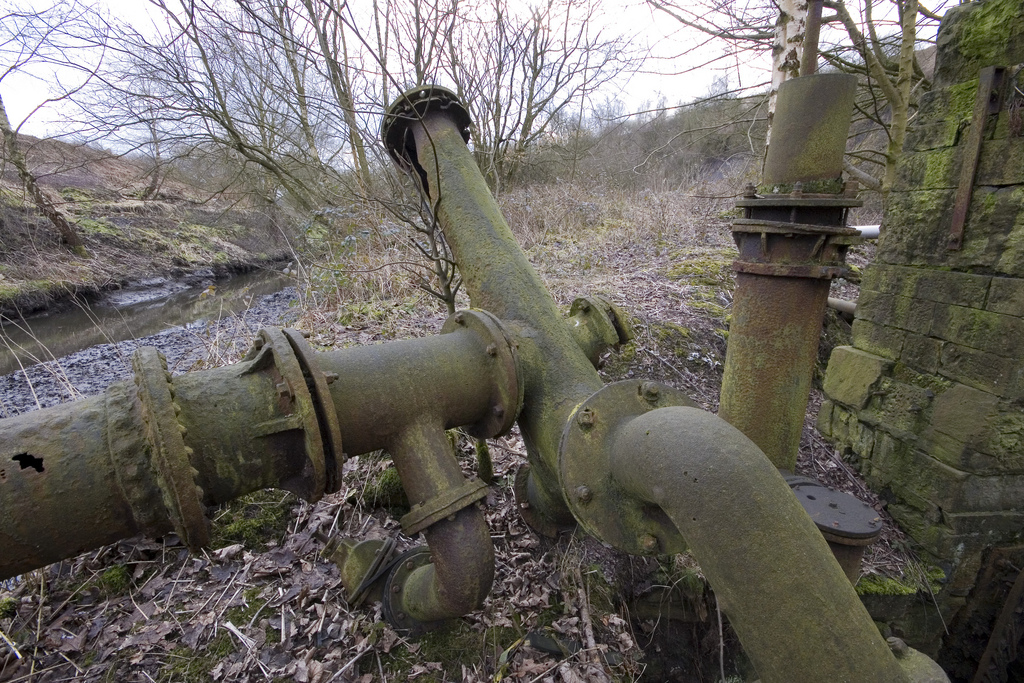
Pipework behind the pump, on the goit side. All fallen over, as can be seen when compared with the older images.
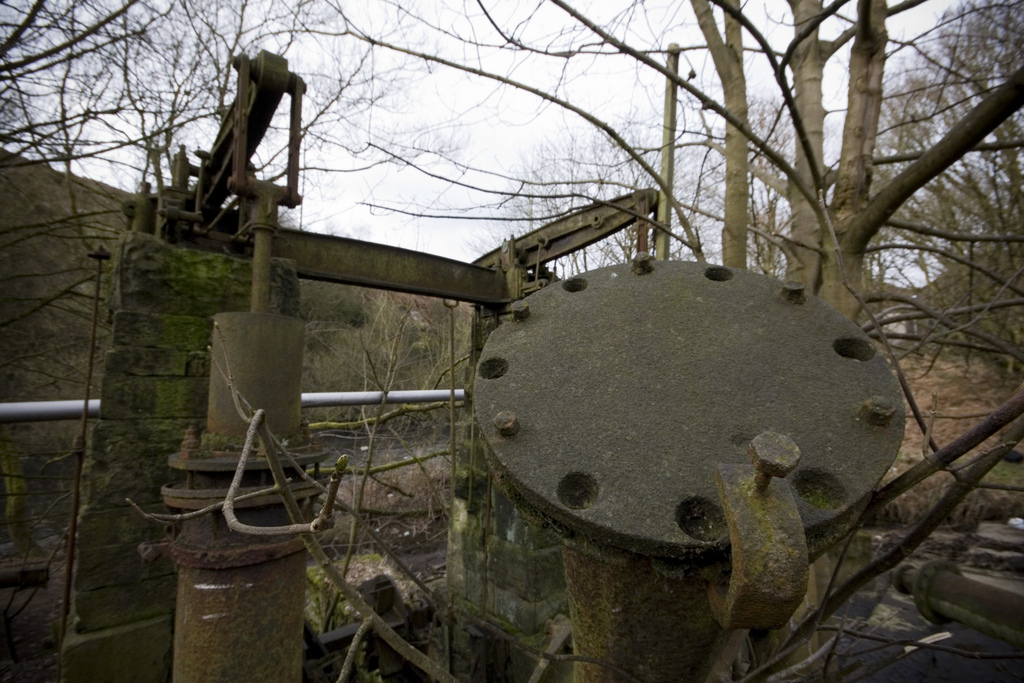
Bit of detail.
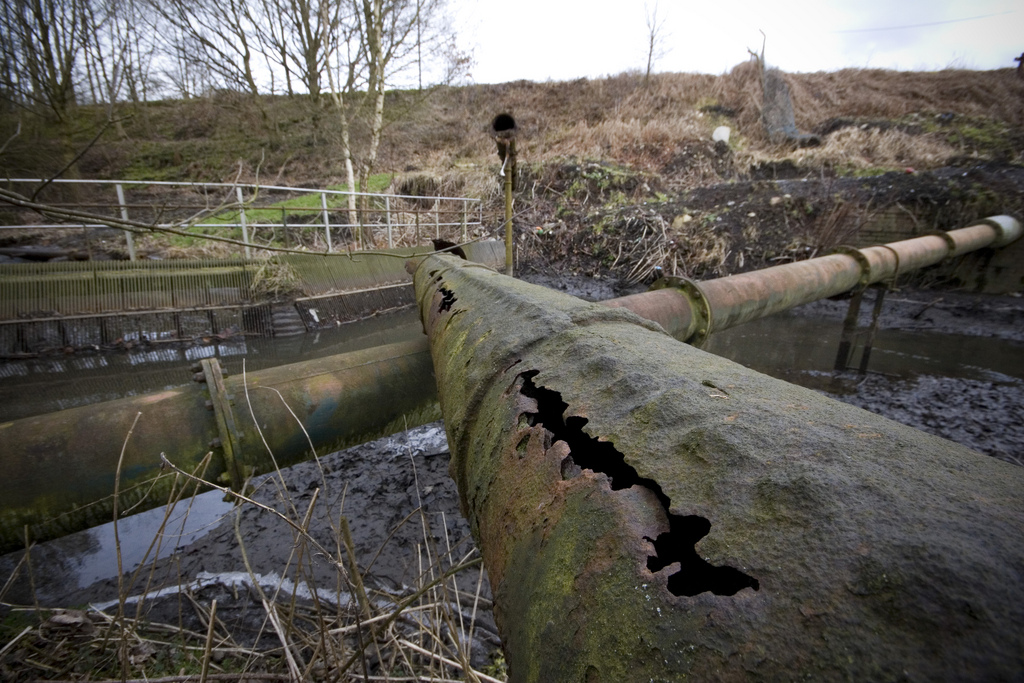
Gone.
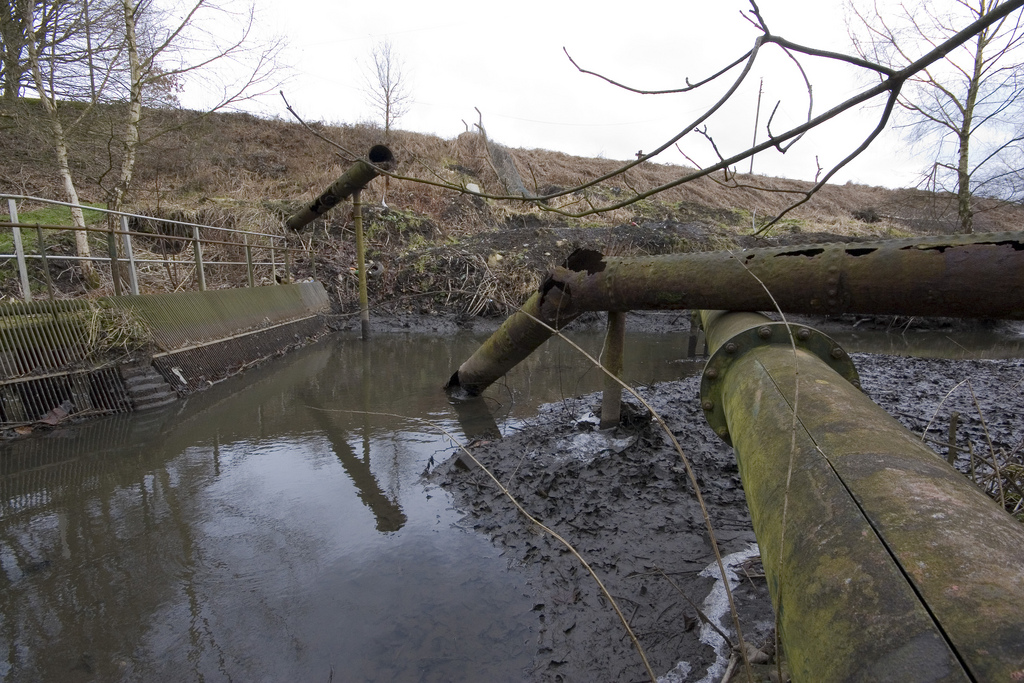
More pipework. The bank above holds one of the mill reservoirs. They're fed now by electric generators, with water pumped from the same goit but further along.
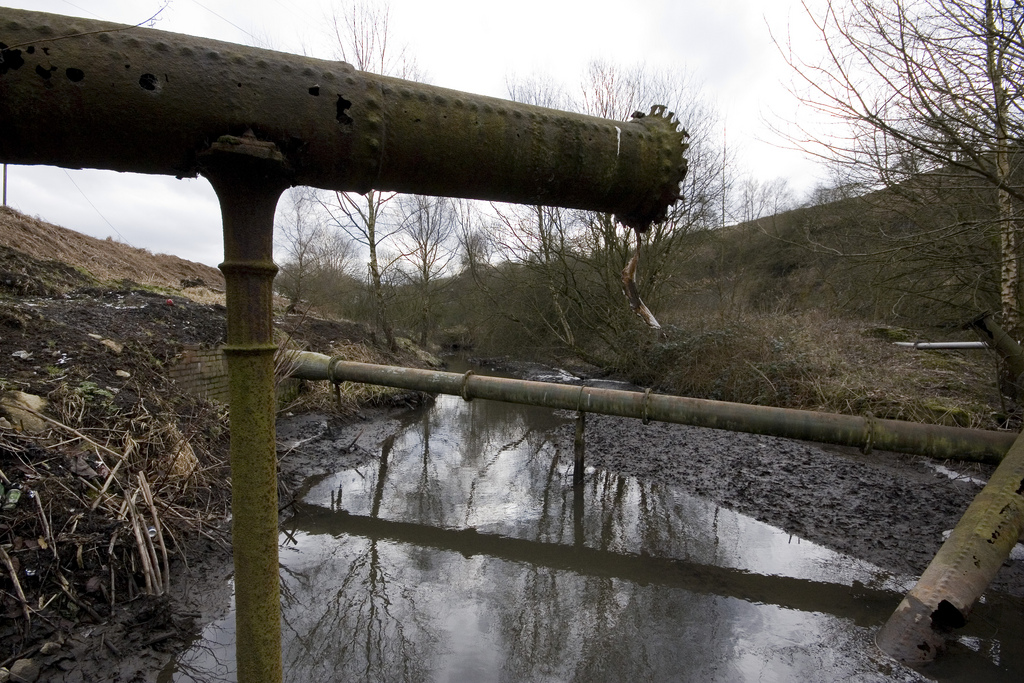
A different view. You can really see here, the pipework is on its last legs. The stonework for the pump itself looks to be in reasonable order though.
I've been contacted now by the Newcomen Society and they're very interested. The Manchester regional industrial archaeological society are undertaking a site visit on Friday, doing a full survey, sizes, places, heights, etc. Manchester Museum of Science and Industry may also be interested, however they'd probably want it as an exhibit and I'd rather it stay where it is. If moving it, however, is the best option to preserve it, then I won't complain.
I know money is tight everywhere right now but having visited it, its extremely impressive, and public access wouldn't be that difficult. I think its bloody brilliant, and I want to see that wheel back in order, and nice bright red or green paint on all the metalwork.
I only had photographs to go on as it's on private land, but I was interested enough last year to apply for listed building status with English Heritage. I've also emailed and pestered as many engineering history type people as I can. Here are a couple of photographs:
This is the weir that supplies the goit.
Undated photograph, 20th century, probably latter half. Note the water wheel - water was allowed across the wheel, from the goit. The wheel turns, the beams at the top move up and down, and pump water up through the connecting pipes into the reservoirs behind the bank to the right.
1985. Looks quite small, doesn't it?
1999
Brief description from English Heritage
****
Well after a few months, I finally got down there today, with a chap from the canal society I'm a member of. Its difficult to describe just how enormous this thing is - the photographs above do not do it justice.
The footbridge is a pedestrian footbridge.
View from the bottom of the spillway - see the six foot bloke on the right for a sense of scale - he is stood right next to it.
From the bottom of the waterwheel pit. The buckets are long gone. The spokes of each wheel were wooden, you can make out the stubby ends on the left axle. This is the wheel which powered the two pumps above, and itself was powered from the goit.
Not too shabby, but unfortunately that big crack will present a problem. The wheel is probably about 10 feet in diameter, and will need machinery to lift.
The left beam.
The right beam. I'm not sure why the wood is in there.
Pipework behind the pump, on the goit side. All fallen over, as can be seen when compared with the older images.
Bit of detail.
Gone.
More pipework. The bank above holds one of the mill reservoirs. They're fed now by electric generators, with water pumped from the same goit but further along.
A different view. You can really see here, the pipework is on its last legs. The stonework for the pump itself looks to be in reasonable order though.
I've been contacted now by the Newcomen Society and they're very interested. The Manchester regional industrial archaeological society are undertaking a site visit on Friday, doing a full survey, sizes, places, heights, etc. Manchester Museum of Science and Industry may also be interested, however they'd probably want it as an exhibit and I'd rather it stay where it is. If moving it, however, is the best option to preserve it, then I won't complain.
I know money is tight everywhere right now but having visited it, its extremely impressive, and public access wouldn't be that difficult. I think its bloody brilliant, and I want to see that wheel back in order, and nice bright red or green paint on all the metalwork.


